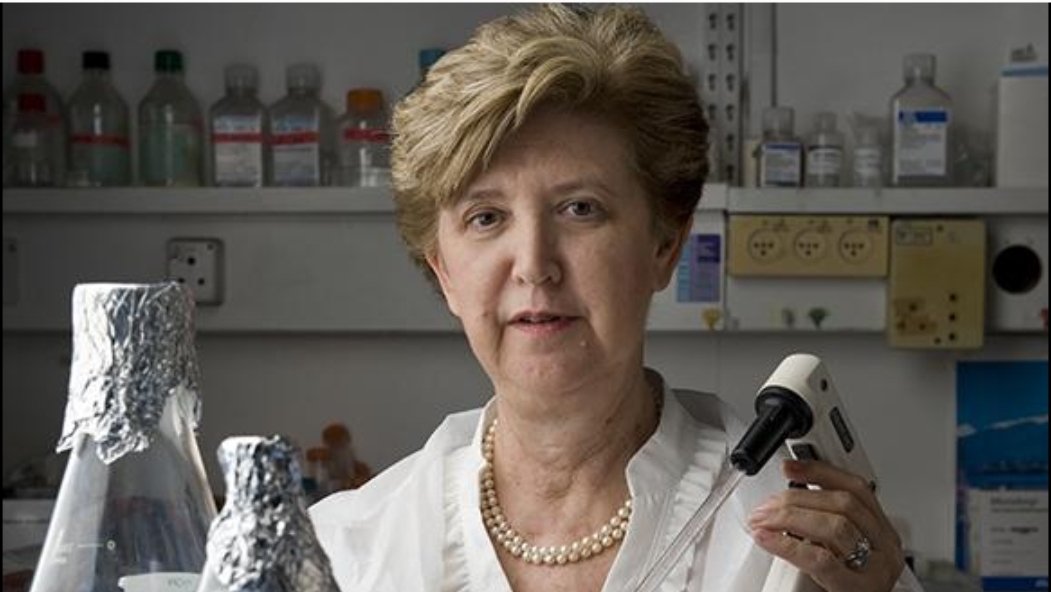

Prof. Illana Gozes. Photo credit: Tel Aviv University.
TAU – Experimental Treatment Significantly Slowed Progression of the Fatal Brain Disease PSP in Women
Study by the Gray Faculty of Medical and Health Sciences at Tel Aviv University
Experimental Treatment Significantly Slowed Progression of the Fatal Brain Disease PSP in Women
Researchers at Tel Aviv University have presented new findings indicating that the experimental drug Davunetide may significantly slow the progression of progressive supranuclear palsy (PSP) in women, who exhibited a markedly different response to treatment than men. These results reinforce the need for sex-specific medicine in neurodegenerative diseases.
The new publication, led by Prof. Illana Gozes of the Sagol School of Neuroscience and the Gray Faculty of Medical and Health Sciences at Tel Aviv University, used updated FDA-recommended outcome measures to reanalyze data from a 52-week international clinical trial involving more than 300 patients with PSP, a rare and fatal neurodegenerative disease caused by the abnormal accumulation of tau protein in the brain. There is currently no effective drug treatment for the disease.
The research team included current and former students Dr. Guy Shapira, Jason Blatt, and Liri Guz, together with Prof. Noam Shomron. The study was published in the prestigious journal Molecular Psychiatry from the Nature portfolio.
In contrast to the original conclusions of the clinical trial, which found that the drug was safe but ineffective, the researchers conducted an advanced and in-depth analysis that separated male and female participants and reexamined the data using updated assessment measures that are now recommended by the FDA. The results revealed a completely different picture: women treated with Davunetide experienced a significant slowing of disease progression, while no similar effect was observed in men.
The researchers found that the treatment helped preserve essential motor and functional abilities, including balance, fine motor skills, and everyday activities such as using cutlery, buttoning clothes, and washing the face and hands. In addition, the treated women showed significant improvements in cognitive measures, including language abilities, working memory, and overall cognitive function.
Another key finding of the study was the discovery of profound molecular differences between women and men. The researchers found that the relationship between the quantities of pathological tau in cerebrospinal fluid (a biomarker of the disease) and clinical symptoms was completely reversed between the two sexes. For example, language abilities significantly decreased with increased tau pathology in women, but not in men. This finding suggests that the disease mechanisms themselves may operate differently in women and men, potentially explaining their different responses to treatment.
According to Prof. Gozes, the study’s findings highlight that overlooking biological differences between the sexes may obscure genuine therapeutic efficacy. “Our data show that analyzing women and men separately is not merely a statistical exercise, but an essential tool for developing more effective treatments for neurodegenerative brain diseases,” she says.
The researchers believe their findings provide a strong scientific basis for future clinical trials and for the future use of treatment protocols designed from the outset to account for patients’ sex, evaluating Davunetide as a targeted treatment for women with PSP. They say that this new approach may pave the way for the development of more precise medicine for patients with tau-related diseases, including the much more common Alzheimer’s disease and other neurodegenerative disorders of the brain.
The study was supported by ExoNavis Therapeutics, which is developing Davunetide for brain diseases under a license from Ramot, Tel Aviv University’s technology transfer company. Prof. Gozes serves as the company’s Vice President for Drug Development, and Dr. Guy Shapira serves as a consulting statistician. The results were independently validated by several additional statisticians.