
Sabine Sterk: From Boycotts to Balance: How Narratives Can Shift
From Boycotts to Balance: How Narratives Can Shift Like South Africa’s [and What That Means for Israel]
There was a time when Europe and much of the Western world turned its moral outrage toward South Africa. The global movement against apartheid defined an era, protests in the streets, cultural boycotts, international sanctions, and a flood of condemnations from governments and universities. South Africa was the world’s pariah state, and moral clarity seemed absolute.
Then, almost overnight, it changed. When apartheid fell in 1994 and Nelson Mandela became president, the global narrative transformed. The same countries that had shunned South Africa now celebrated it as a miracle nation. From condemnation to admiration, the shift was breathtaking.
The lesson? Narratives are powerful, but they are not permanent. And that matters deeply for Israel today.
A Different Story, the Same Weapon
For decades, Israel has been accused, falsely,
of being the new “apartheid state.” The comparison is not only historically wrong but morally corrupt. It twists a unique national conflict into a race-based slander designed to delegitimize Israel’s very existence.
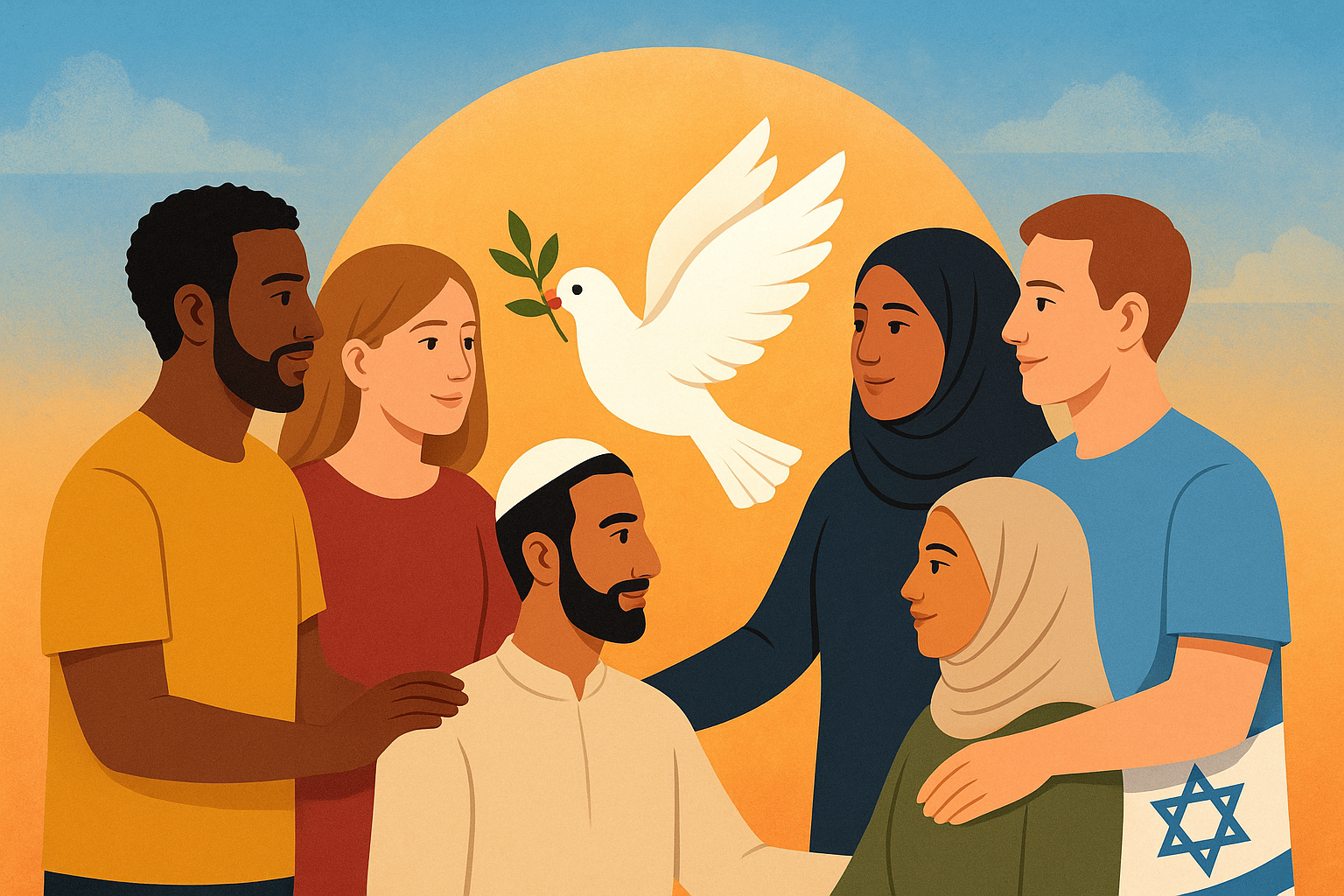
Unlike apartheid South Africa, Israel is a thriving, multicultural democracy. Jewish, Muslim, Christian, Druze, and Bedouin citizens share the same hospitals, universities, and courtrooms. Arabs vote, serve in parliament, and sit on the Supreme Court. Women hold senior government positions. Gay pride marches take place freely in Tel Aviv, something unimaginable in the surrounding region.
And yet, much of the world prefers a simplistic story: oppressed and oppressor, black and white, villain and victim. It’s the comfort of moral laziness and the tragedy of manipulated perception.
How South Africa’s Narrative Changed
When South Africa ended apartheid, it didn’t erase its past, it redefined its story. It became a symbol of reconciliation and democracy. The world wanted to believe in healing and hope, so it did.
That same kind of shift is possible for Israel and not because Israel must change who it is, but because the world must relearn who Israel really is.
Reclaiming Israel’s Story
Israel’s story is not one of conquest; it’s one of return. The Jewish people are indigenous to this land. They rebuilt their ancient homeland after millennia of exile, persecution, and genocide. No other nation has shown such resilience or offered peace so many times to those who still reject its existence.
To change the narrative, Israel and its supporters must do what South Africa once did, own the story and tell it without fear or apology.
- Expose the false analogy: Apartheid was a system of racial domination. Israel’s policies are based on security, not race. There are no race laws, no separate buses, no forbidden schools. There is a terrorist threat, not an ethnic hierarchy.
- Show the truth on the ground: Coexistence is real, in hospitals, workplaces, and universities. Thousands of Arab doctors, soldiers, and teachers are living proof that the “apartheid” claim is a lie.
- Highlight moral contrast: Israel’s army warns civilians before striking terrorist targets. Hamas hides behind civilians and celebrates death. Who, then, truly embodies apartheid thinking, those who divide life by race, or those who divide humanity by hate?
Changing the Lens
The same Europe that once boycotted South Africa now invests, travels, and celebrates it. Not because its past was forgotten, but because its present redefined its reputation.
Israel can and must achieve the same. Not by trying to please those who hate it, but by standing firm in truth, values, and humanity.
Each time an Israeli doctor treats a Palestinian child, or an Arab student graduates from an Israeli university, the truth speaks louder than propaganda. The challenge is not to invent a new image but to make the world finally see the real one.
From Condemnation to Clarity
The story of South Africa teaches us that no nation is locked forever in the world’s judgment. Narratives change when moral courage meets truth.
Israel’s courage is already proven, in war, in peace efforts, in its daily struggle to live freely among those who wish it dead. What remains is for the world to rediscover its truth.
One day, the same voices that shout “boycott” may look back and realize they were echoing a lie. And just like South Africa, Israel’s name, once distorted by propaganda, will stand again for freedom, democracy, and survival against all odds.